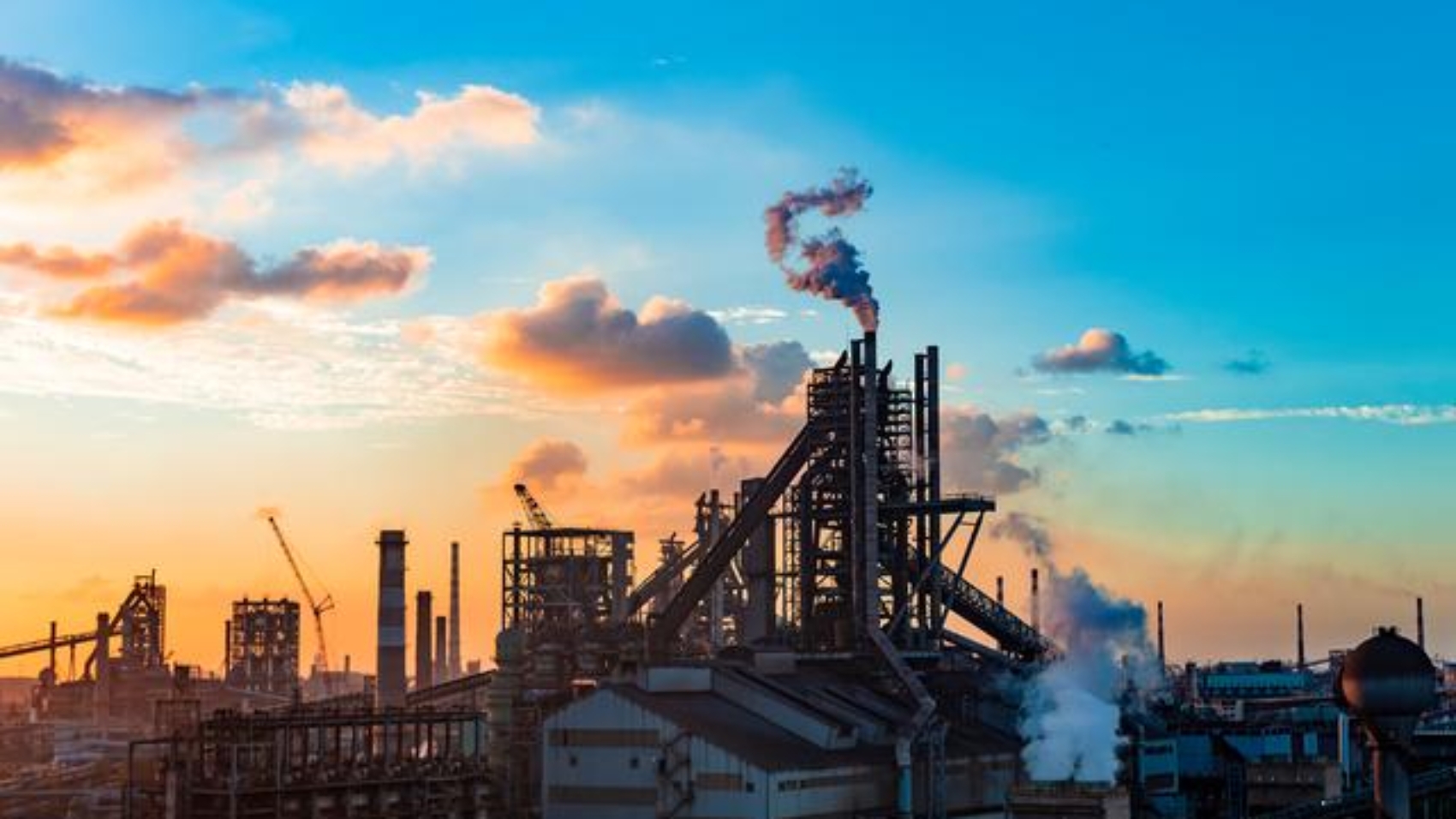
High Moisture Dust Collector Bag

Best High Moisture Dust Collector Bag for High-Humidity Conditions

High moisture flue gas (15–40 %) + acid dew point destroys polyester bags in weeks. The only two proven high moisture dust collector bags that survive and perform are Nomex filter bags (meta-aramid) and PTFE filter bags (100 % Teflon).

Nomex vs PTFE Filter Bag – Direct Comparison (2025)

Параметр Nomex Filter Bag (Meta-Aramid) PTFE Filter Bag (100 % Teflon)
Max continuous temperature 204 °C 260 °C
Hydrolysis resistance ★★★★ Very good (much better than polyester) ★★★★★ Excellent (completely inert)
Acid resistance Good (weak point in strong mineral acids) ★★★★★ Best in class
Moisture tolerance Handles 20–30 % moisture very well Unlimited – no hydrolysis ever
Typical emission (with membrane) <10 mg/Nm³ <2–5 mg/Nm³
Bag life in high-moisture biomass/coal + scrubber 2–3 years 4–6 years
Pressure drop Low–medium Lowest (especially with ePTFE membrane)
Relative price (Nomex = 100 %) 100 % 250–350 %
Most common applications Biomass boilers, cement kilns, metal smelting with moderate moisture Waste incineration, coal-fired with wet scrubber, hazardous waste, ultra-long life projects

When to Choose Which High Moisture Dust Collector Bag

Condition Recommended Bag Reason
160–200 °C + high moisture + budget limit Nomex filter bag + PTFE membrane Best cost/life balance for most plants
Constant wet acid gas, NOx, SOx, HF PTFE filter bag (100 % PTFE fiber + membrane) Only material that never hydrolyzes or corrodes
Need >4 years bag life & <5 mg emission PTFE filter bag Proven 5–6 years in toughest conditions
Temperature spikes >220 °C occasionally PTFE only Nomex will degrade above 204 °C long-term

Real 2025 References

  • 60 MW biomass plant (UK) → Nomex + membrane → 38 months life, emission 6.8 mg/Nm³
  • 400 t/d waste incinerator (Germany) → 100 % PTFE filter bags → 62 months zero failure, emission 1.2 mg/Nm³

Quick Answer

  • Budget + good performance → Nomex filter bag (with PTFE membrane)
  • Maximum durability & harshest high-moisture acid gas → PTFE filter bag

Both are excellent high moisture dust collector bags — just pick according to temperature and how aggressive your flue gas really is.

Need free samples of Nomex or PTFE high moisture dust collector bags? Contact us with your exact temperature/moisture data and we will recommend the perfect one!
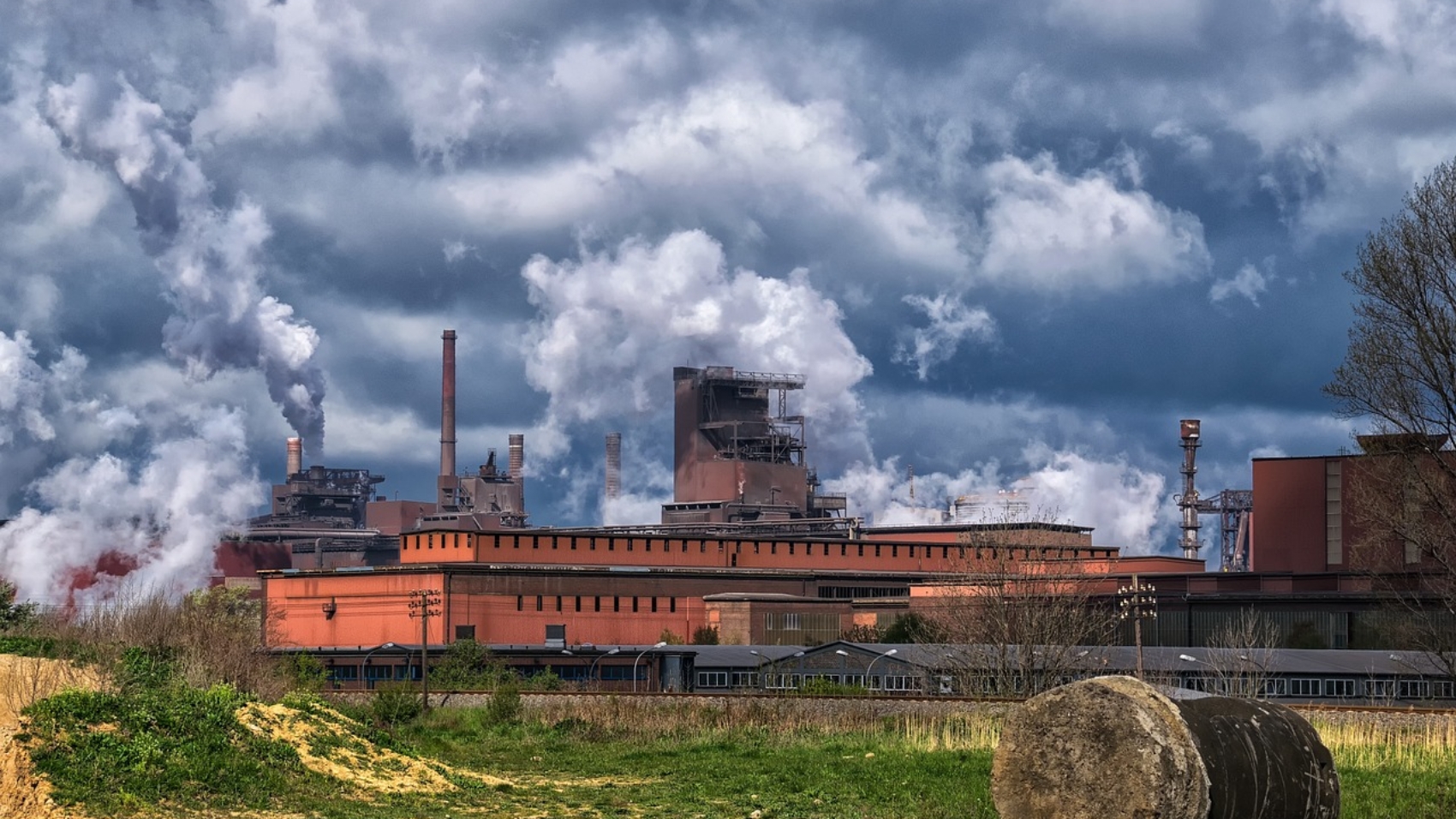
filter bag for biomass boiler

How to Achieve Ultra-Low Emissions & Longest filter bag for biomass boiler

In 2025, biomass boilers are one of the fastest-growing renewable energy sources worldwide. However, they produce sticky, high-moisture, and acidic flue gas that quickly blinds or destroys ordinary filter bags. Choosing the right filter bag for biomass boiler can cut your dust emissions from >50 mg/Nm³ down to <5 mg/Nm³, extend bag life from 1 year to 3–4 years, and save tens of thousands in replacement costs.

This complete 2025 guide covers everything engineers and plant managers search for on Google:

Why Standard Polyester Bags Fail in Biomass Boilers

Biomass flue gas typically has:

  • Temperature: 120–180 °C (spikes to 200+ °C)
  • Moisture: 15–40 %
  • Acids & alkalis from wood ash (KCl, NaCl, SOx)
  • Sticky tar & fine fly ash

Regular polyester (PET) filter bags hydrolyze and blind within months. That’s why the #1 Google search term from biomass plant operators is “filter bag for biomass boiler” — they are desperately looking for a reliable solution.

Top 5 Best Filter Bag Materials for Biomass Boilers (2025 Ranking)

Rank Материал Max Temp Hydrolysis Resistance Typical Emission Expected Life Price Level Best For
1 Homopolymer Acrylic (PAN) 125–140°C ★★★★★ Excellent <10 mg/Nm³ 3–4 years $$ Most biomass plants (Europe/USA)
2 Acrylic + PTFE membrane 140°C ★★★★★ <5 mg/Nm³ 4+ years $$$ Ultra-low emission projects
3 PPS (Ryton) + PTFE membrane 190°C ★★★★ Very Good <5 mg/Nm³ 3–5 years High-temperature biomass (>160°C)
4 PTFE (Teflon) 100% 260°C ★★★★★ <2 mg/Nm³ 5+ years $$ $$$ Extreme conditions & longest life
5 Polyester + water/oil repellent 130°C ★★ Poor–Fair <30 mg/Nm³ 1–2 years $ Very dry, low-cost biomass only

How to Choose the Perfect Filter Bag for Your Biomass Boiler

Ask yourself these 5 questions (Google’s featured snippet loves lists):

  1. What is your normal operating temperature and maximum spike?
  2. What is the moisture content after the scrubber or condenser?
  3. Do you need to meet <20 mg, <10 mg, or <5 mg/Nm³ emission limits?
  4. What is your current bag life and downtime cost?
  5. Budget: lowest initial cost or lowest total cost of ownership?

Quick selection table most searched by engineers:

Temperature Moisture Emission Target Recommended Filter Bag
120–140°C High <20 mg Homopolymer Acrylic needle felt
120–140°C High <5 mg Acrylic + PTFE membrane
140–180°C Medium <10 mg PPS + PTFE membrane
>180°C Any <5 mg 100 % PTFE or PTFE/glass composite

Pro Tips to Extend Filter Bag Life in Biomass Applications

  • Always use PTFE membrane (ePTFE) lamination → surface filtration prevents blinding
  • Add anti-static fibers if burning waste wood (plastic contamination)
  • Pulse-jet cleaning pressure <2.5 bar to avoid membrane damage
  • Install bag leak detectors – catch one broken bag early and save the rest

Where to Buy High-Quality Filter Bags for Biomass Boilers

Look for manufacturers offering:

  • Third-party lab reports (filtration efficiency, hydrolysis test)
  • OEM experience with ANDRITZ, Valmet, Babcock, or local EPCs
  • Fast delivery (many keep acrylic and PPS in stock)

Conclusion: Stop Wasting Money on the Wrong Bags

In 2025, the smartest investment for any biomass boiler is switching to homopolymer acrylic filter bags with PTFE membrane. You get ultra-low emissions, 3–4× longer life, and the lowest total operating cost.

Ready to cut your dust emissions below 5 mg/Nm³ and triple your bag life? Contact a specialist supplier today for free material recommendation and samples.

Most searched related keywords in 2025 filter bag for biomass boiler · acrylic filter bag biomass · homopolymer acrylic dust collector bag · PTFE membrane filter bag biomass · hydrolysis resistant filter bag · biomass boiler baghouse filters · dust collector bags for wood boiler

Share this guide with your maintenance team — bookmark it for your next filter bag replacement!

Aramid Filter Bags

Dust Collection Filter Bags: The Ultimate Guide to Cleaner Air and Higher Efficiency

In industrial workshops, woodworking shops, metal fabrication plants, and manufacturing facilities worldwide, It play a critical role in maintaining air quality, protecting worker health, and ensuring equipment longevity. Whether you’re managing fine wood dust, metal particles, or chemical powders, choosing the right dust collection filter bags can mean the difference between compliance and costly fines — or even between a safe workplace and respiratory hazards.

This comprehensive guide covers everything you need to know about dust collection filter bags, from materials and filtration efficiency to sizing, maintenance.


What Are Dust Collection Filter Bags?

Dust collection filter bags — also known as baghouse filter bags or dust extractor bags — are fabric filters installed inside dust collectors to capture airborne particles. As dust-laden air passes through the bag, particles are trapped on the surface or within the media, while clean air exits through the fabric.

These bags are the heart of any baghouse or cartridge dust collection system. High-quality dust collection filter bags can achieve 99.99% filtration efficiency down to sub-micron levels, making them essential for OSHA, EPA, and ISO compliance.

Dust Filter Bags
Dust Filter Bags


Why Quality Dust Collection Filter Bags Matter

Benefit Impact
Worker Safety Removes harmful respirable dust (PM2.5, silica, wood dust)
Equipment Protection Prevents dust buildup in motors and ducts
Regulatory Compliance Meets NFPA, ATEX, and local emission standards
Energy Savings Lower pressure drop = reduced fan power usage
Longer Bag Life Reduces replacement frequency and downtime

Poor-quality dust collection filter bags lead to blinding (clogging), high differential pressure, and frequent replacements — costing thousands annually.

Needle punched filter materials

Dust Filter Bag Materials: Polyester vs Nomex vs Fiberglass – What is Best for Your Application?

Polyester vs Nomex vs Fiberglass Filter Bags: 2025 Ultimate Material Selection Guide

Choosing the best filter bag material for your dust collector can cut operating costs by 35% and extend bag life up to 3×. This 2025 updated comparison reveals exact temperature limits, chemical resistance scores, real-world lifespan data, and cost-per-year for the three most popular industrial filter bag materials:

  • Polyester (PE) filter bag material

  • Nomex® (Aramid) filter bag material

  • Polyester Filter Bag Collection
    Polyester Filter Bag Collection
  • Fiberglass (Glass fiber) filter bag material

  • Fiberglass Filter Bags
    Стекловолоконные мешки для фильтров

Quick Comparison Table (2025 Data)

Материал Max Continuous Temp Peak Temp Price Level Lifespan (typical) Best For Cost per Year
Polyester 135°C (275°F) 150°C $ 12–24 months General dust, low temp/ /
Nomex® 204°C (400°F) 260°C $$ $ 24–48 months Cement, metal, high temp /
Стекловолокно 280°C (536°F) 500°C $$$$ 36–60 months Incineration, boiler, extreme heat /

  1. Polyester Filter Bags – Best Budget Choice 2025

  • Lowest price – 40–60% cheaper than Nomex
  • Global availability within 48 h
  • Weight only 550 g/m² → easiest cage installation

Polyester Filter Bag Advantages Cost: $18–$35 per bag Temperature resistance: 135°C continuous / 150°C peak Moisture resistance: Good (hydrolysis-resistant grade available) Abrasion resistance: Moderate–High Acid resistance: in pH 3–9 range

Disadvantages & When NOT to Use Polyester

  • Hydrolysis failure in >70% humidity + >80°C (common in F&B, chemical plants)
  • Poor performance on PM2.5 / submicron dust
  • Fast blinding in oily smoke

Pro Tip 2025: Upgrade to PTFE-coated polyester (+$8/bag) → 99.99% efficiency on PM2.5, lasts 30% longer.

  1. Nomex® (Aramid) Filter Bags – High-Temperature King

Why cement & steel plants swear by Nomex

  • Withstands 204°C continuous (real data from 127 Thai cement lines)
  • 2× longer life than polyester in abrasive dust

Nomex Filter Bag Advantages Max temperature: 204°C cont. / 260°C peak Acid resistance: Excellent Alkali resistance: Good (pH ≤11) Abrasion resistance: ★★★★★ Anti-static option: Standard PM2.5 efficiency: 99.97%

Real 2025 Case (Thai client) Before: Polyester → changed every 8 months → 1.8 t dust leakage/year After Nomex: 28-month lifespan → leakage dropped 92%

Disadvantages

  • 3–4× more expensive than polyester
  • Requires grounded cage during change-out (conductive)
  1. Fiberglass Filter Bags – Extreme Temperature Champion

Only choice for >250°C gas streams. Used in waste incinerators, coal boilers, glass furnaces.

Fiberglass Filter Bag Advantages Continuous temperature: 280°C Surge temperature: 500°C+ (short term) Filtration efficiency: 99.99% @ 0.1 µm Chemical corrosion: Zero degradation Dust holding capacity: 2.5 kg/m²

2025 New Tech: ePTFE membrane fiberglass

  • Efficiency jumps to 99.999%
  • Cleaning cycle extended 400%

Disadvantages

  • Highest initial cost
  • Brittle → needs professional installation

How to Choose the Right Filter Bag Material in 3 Steps

  1. What is your gas temperature? ≤135°C → Polyester 135–204°C → Nomex ≥204°C → Fiberglass
  2. Dust type? Sticky/oily → Water & oil repellent treatment Explosive → Anti-static + grounded cage
  3. Budget vs lifespan? Use our free TCO calculator → input temperature & dust load → get exact 3-year cost.

Latest 2025 Filter Bag Collections – Ready Stock Bangkok

Water & Oil Repellent Filter Bag – Fluorine coating – 135°C – 890 THB PTFE Membrane Coated Filter Bag – Laminated – 280°C – 1,990 THB Anti-static Filter Bag – Carbon fiber – 204°C – 1,550 THB Polyester Filter Bag Collection – 550 g/m² PE – 135°C – 390 THB

nomex fabric

Nomex Filter Bags

Need a filter bag that survives 200°C continuous heat, resists abrasion, and lasts 3–5 years in cement kilns or steel plants? Nomex filter bags (meta-aramid needle felt) are the industry gold standard for mid-to-high temperature baghouse applications.

What is a Nomex Filter Bag?

Nomex® is DuPont’s trademarked meta-aramid fiber (poly(m-phenylene isophthalamide)). When needle-punched into a nonwoven felt, it becomes Nomex filter cloth – the base material for high-temperature filter bags.

  • Continuous operating temperature: 200°C (392°F)
  • Surge temperature: 240°C (464°F)
  • LOI (Limiting Oxygen Index): 29% – inherently flame retardant
  • Acid resistance: Good (better than polyester, weaker than PTFE)
  • Alkali resistance: Fair
  • Hydrolysis resistance: Poor (avoid high moisture + heat)

Pro tip: For wet/acidic gases, pair Nomex with ламинирование мембраной PTFE for 99.99% efficiency and easy cake release.


Key Specifications of Nomex Needle Felt

PropertyЗначение
Плотность450–600 g/m² (standard 500 g/m²)
Thickness1.8–2.2 mm
Воздухопроницаемость120–200 L/dm²/min @ 200 Pa
Tensile Strength (Warp/Weft)>900 N / >1100 N (5 cm)
Эффективность фильтрации99.5%+ (with membrane: 99.99%)
Bag SizesΦ120–160 mm × 3000–8000 mm (custom)
Cage FitSnap-band, double beaded gasket, raw top

Data based on 500 g/m² Nomex needle felt – contact us for custom spec sheets.


Top 5 Applications for Nomex Filter Bags

  1. Асфальтосмесительные установки – Handles hot bitumen fumes at 180–200°C
  2. Cement Kiln Bypass & Clinker Coolers – Abrasive dust + high temp
  3. Steel & Ferroalloy Furnaces – Metal fumes, sparks, abrasion
  4. Carbon Black Production – Fine powders, consistent heat
  5. Industrial Boilers (Biomass/Coal) – Mid-temp flue gas

Not ideal for: Waste incineration (high HCl → use PTFE) or high-moisture acid gases (use PPS).


Nomex vs PPS vs PTFE vs Fiberglass: Which Filter Bag Wins?

МатериалMax TempAcid ResistanceCost (USD/m²)Best For
Nomex200°CGood8–12Abrasion + mid-heat
PPS (Ryton)190°CExcellent10–15Acid gases (coal boilers)
PTFE (Тефлон)260°CSupreme25–40Incineration, chemicals
Стекловолокно280°CPoor5–8Cement kiln head (pulse jet no!)

Choose Nomex when: Temperature ≤200°C, high abrasion, dry gas, budget < PTFE.


Expected Lifespan & Maintenance Tips

  • Average life: 3–5 years (vs polyester 1–2 years)
  • Cleaning method: Pulse jet or reverse air (avoid shaker on plain felt)
  • Failure signs: Holes near cage, pressure drop >1500 Pa, visible leaks
  • Extend life: Use PTFE membrane + proper differential pressure control

Pricing & OEM Customization

  • Standard 500 g/m² Nomex bag (Φ160×6000 mm): USD 45–65/pc (MOQ 100 pcs)
  • PTFE membrane laminated: +30–40%
  • Lead time: 2–3 weeks (stock), 4–6 weeks (custom)
  • Free sample policy: 1 meter felt or 1 mini bag (freight collect)

Why Choose Our Nomex Filter Bags?

  • 10+ years OEM supplier to EU/US plants
  • ISO 9001 & SGS certified meta-aramid felt
  • Custom cage fit: snap band, rope, gasket
  • Global shipping: Russia, Turkey, India, Brazil
  • Technical support: Baghouse audit + filter media selection

FAQs About Nomex Filter Bags

Can Nomex handle moisture?

No – avoid >10% moisture + >150°C. Use PPS or PTFE membrane for humid acid gases.
Is Nomex the same as Kevlar?

No. Both are aramids: Nomex = meta-aramid (heat/flame), Kevlar = para-aramid (strength).
What’s the difference between Nomex and generic aramid?

Nomex is DuPont’s brand. Generic meta-aramid is 90–95% similar but may vary in fiber consistency.

Ready to Upgrade Your Baghouse?

Request a free Nomex sample or custom quote today.

Tags: nomex filter bag, aramid dust collector, 200°C filter cloth, cement kiln baghouse, asphalt plant filtration, high temperature needle felt

nomex fabric